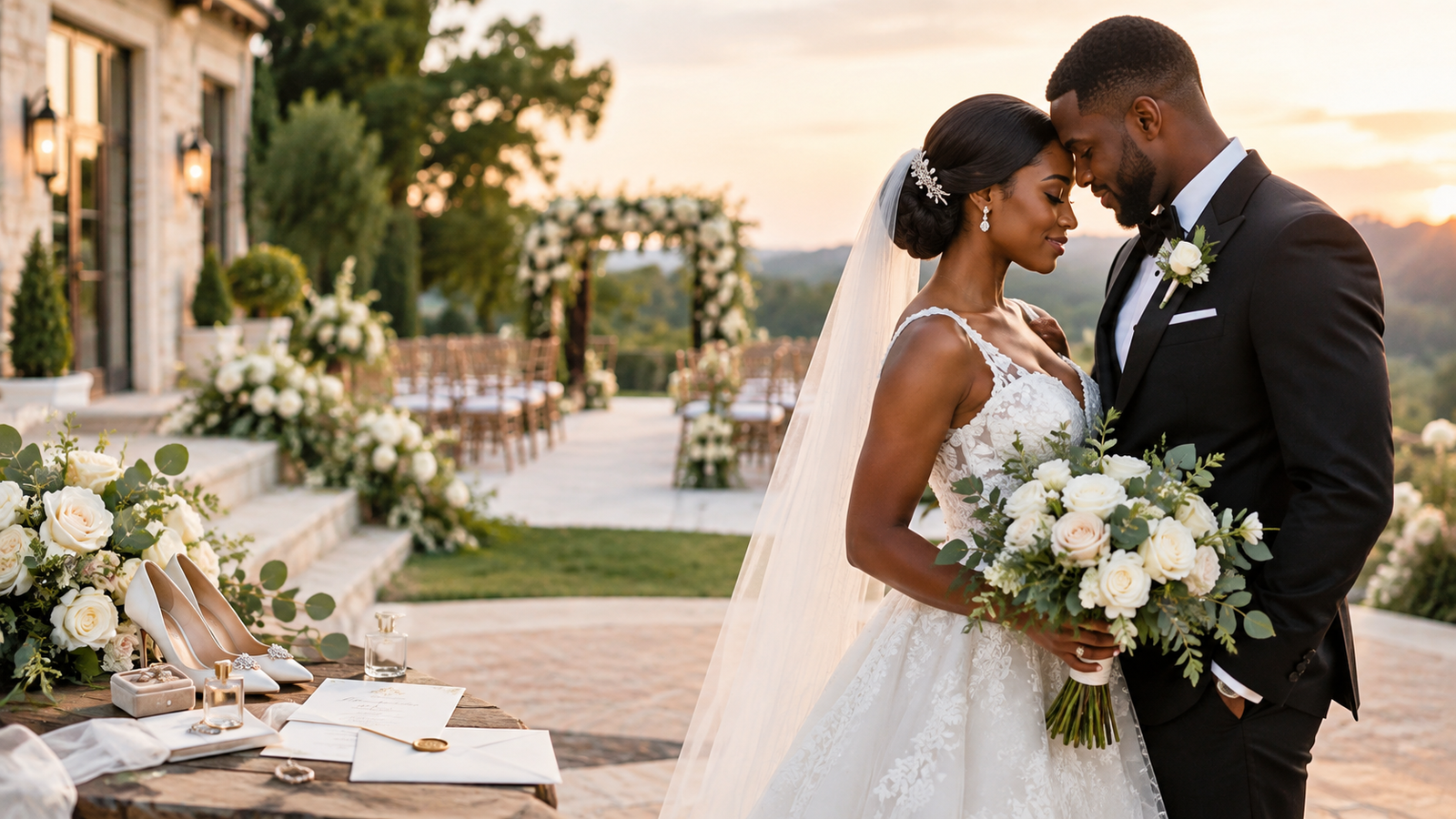
A well planned wedding day should feel effortless not because everything happens by accident, but because the important details have already been thought through.
Your wedding timeline is what makes that possible.
It helps your vendors know where they need to be, gives your wedding party clear expectations, keeps family photos from taking over cocktail hour, and perhaps most importantly gives you permission to stop thinking about the clock.
The goal isn’t to schedule every minute of your wedding day. It’s to create enough structure that you can be fully present when the day finally arrives.
Here’s how to build a timeline that feels organized without feeling overwhelming.
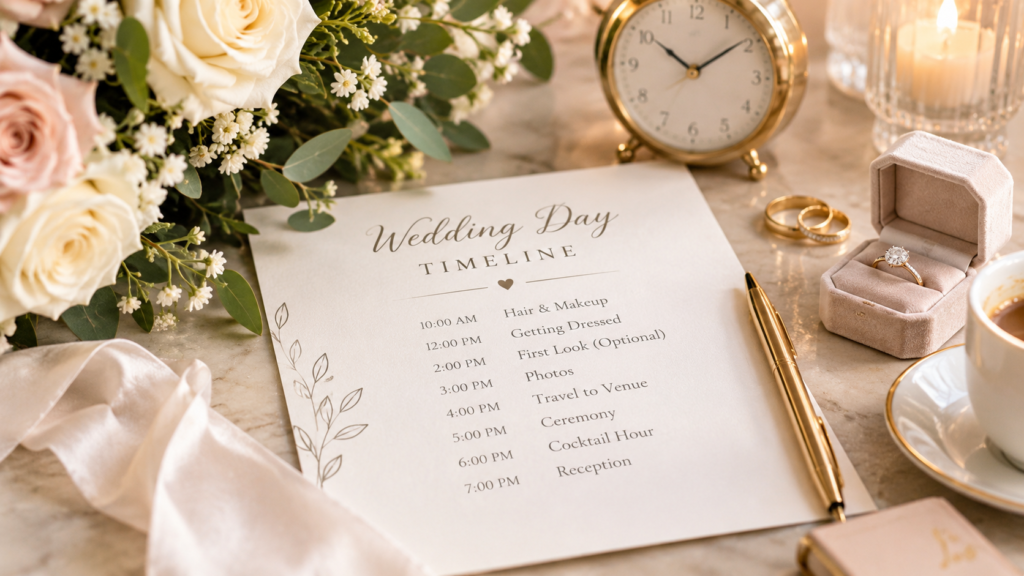
Start With Your Ceremony Time
Before deciding when you should get your hair done or when the photographer should arrive, start with the ceremony.
If your ceremony begins at 5:00 p.m., work backward from that time.
Consider how long you’ll need for:
- Hair and makeup
- Getting dressed
- First-look photos, if you’re having one
- Wedding party portraits
- Family photos
- Travel between locations
- A few quiet moments before the ceremony
Working backward gives you a realistic picture of how much time you actually have.
And remember: a timeline with a little extra breathing room is almost always better than one that leaves you racing from one moment to the next.

Give Hair and Makeup More Time Than You Think
Getting ready can take longer than expected, especially when several people are having their hair and makeup done.
Instead of planning around the earliest possible finish time, build in a buffer.
If your bridal party is getting ready together, talk to your hair and makeup team about the number of people, the services each person needs, and when everyone must be completely finished.
Your photographer may also want to arrive while you’re still getting ready to capture details such as your invitation suite, jewelry, shoes, bouquet, and dress.
Those seemingly small moments can become some of the most beautiful photographs from the entire day.
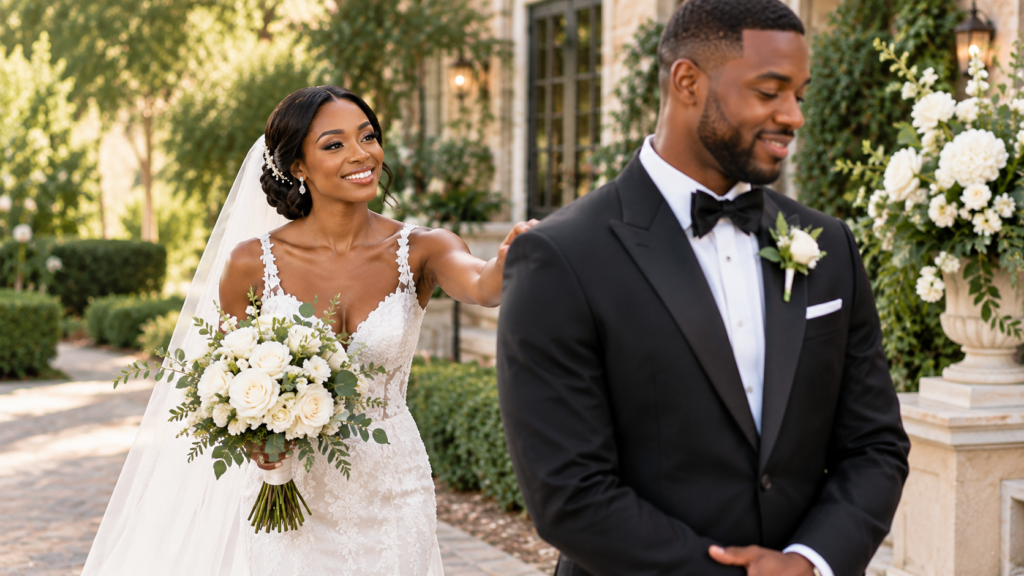
Decide Whether You Want a First Look
A first look can completely change the flow of your wedding day.
If you choose to see each other before the ceremony, you may be able to complete most of your portraits beforehand. That can leave more time to enjoy cocktail hour with your guests instead of spending that entire window taking photographs.
But there isn’t a right answer.
Some couples love the idea of having a private moment together before the ceremony. Others have dreamed about seeing each other for the first time while walking down the aisle.
Choose what feels meaningful to you, not simply what makes the timeline easier.
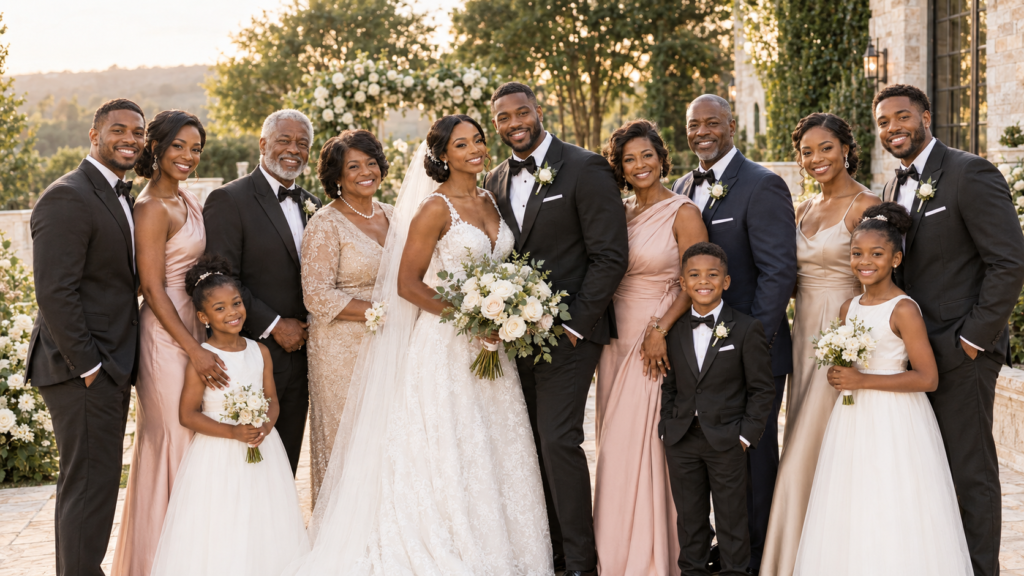
Build in Time for Family Photos
Family portraits are important, but they can quickly become one of the most time-consuming parts of a wedding day.
The solution is simple: create your shot list before the wedding.
Ask your photographer which combinations they recommend and make a list of the essential groupings.
For example:
- Hair and makeup
- Getting dressed
- First-look photos, if you’re having one
- Wedding party portraits
- Family photos
- Travel between locations
- A few quiet moments before the ceremony
Share the list with a trusted member of your wedding party who knows your family.
That person can help gather everyone when it’s time for photos, saving you from searching for Uncle David while you’re supposed to be taking portraits.
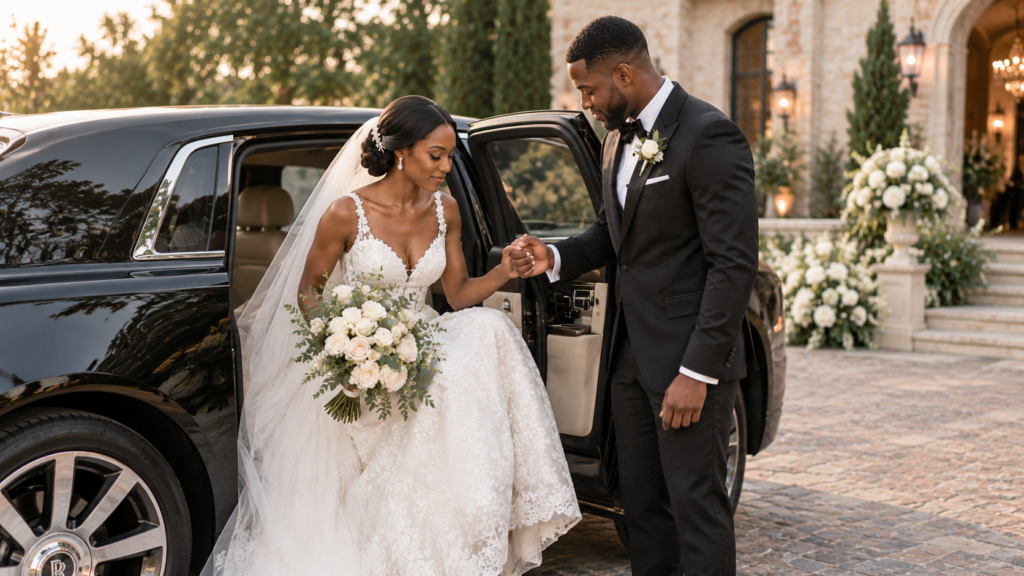
Don't Forget the Travel Time
If your ceremony and reception are at different locations, transportation needs to be part of the timeline.
And don’t plan only for the drive itself.
Consider loading time, traffic, parking, gathering everyone before departure, and getting settled once you arrive.
If you’re getting married in a busy city, your planner or transportation company may recommend allowing additional time for traffic.
It’s much nicer to arrive a few minutes early than to spend the journey watching the clock
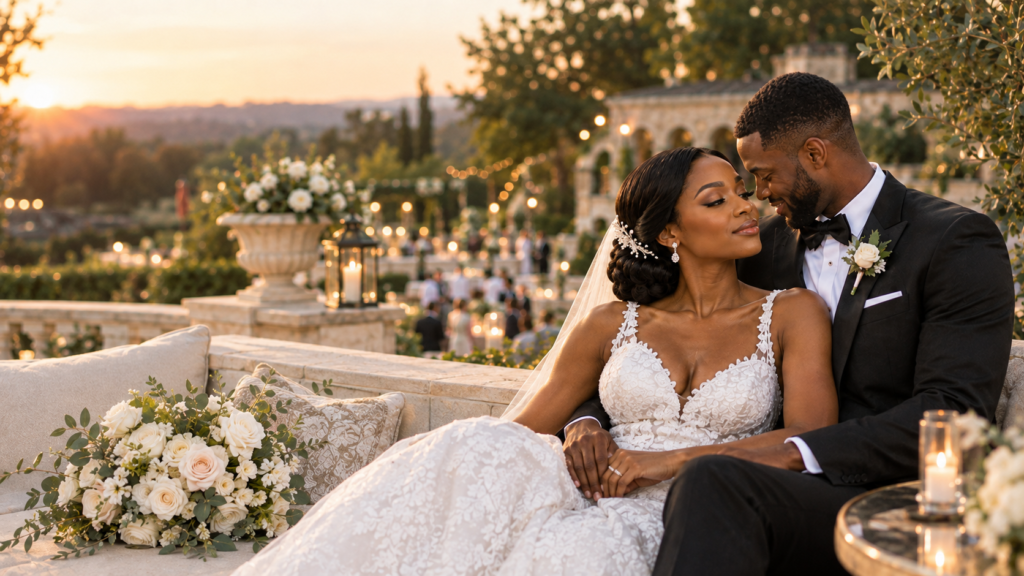
Protect Time for the Two of You
This might be the most important part of your timeline.
Something will probably take longer than expected.
Someone will forget where they’re supposed to be.
Your dress may need a last-minute adjustment.
A family member may arrive late for portraits.
And that’s okay.
Instead of filling every available minute, create small pockets of buffer time throughout the day.
Those extra minutes can absorb the little surprises without turning them into major problems.
Your Timeline Should Serve You, Not the Other Way Around
A beautiful wedding timeline isn’t about creating a perfectly controlled day.
It’s about creating enough structure to allow the day to unfold naturally.
Give yourself more time than you think you’ll need. Communicate clearly with your vendors. Build in breathing room. And leave space for the moments you can’t plan.
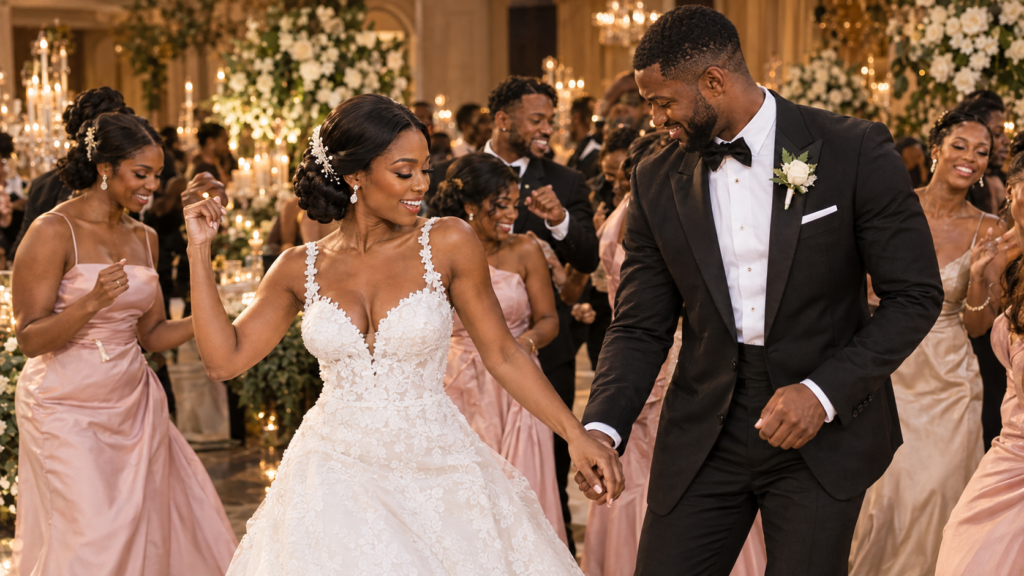
Because the best wedding memories often happen in the spaces between the scheduled events, the laugh you didn’t expect, the quiet moment with your parents, the dance that went on a little too long.
Plan the important details.
Then give yourself permission to enjoy everything else.